


Report By: Ishmael Barfi
Accra, Ghana – The Ministry of Health has emphasized the need for increased awareness and prevention efforts to address the growing burden of sickle cell disease in Ghana.
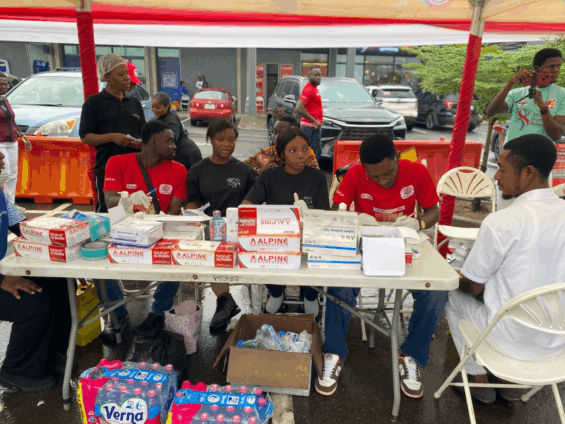
Delivering a statement on behalf of the Ministry, the Sector Minister and his director, Dr Hafez Adam Taher, Head Public Health & Health Promotion Unit of the Ministry, Prince Amoah, highlighted the alarming statistics surrounding the disease at the Sickle Cell Fun Fair at Achimota Mall held on 14th February, 2026.
According to the Ministry, approximately 2% of all babies born in Ghana each year have sickle cell disease, translating to around 15,000 newborns annually. Additionally, an estimated 20-30% of Ghanaians carry the sickle cell trait.
The Ministry emphasized the importance of early genotype testing, stating that it helps individuals make informed reproductive choices, encourages early enrolment into care for affected children, reduces complications and hospital admissions, and helps break stigma and myths surrounding the disease.
The Ministry also launched the National Strategy for Sickle Cell Disease (2024-2028) in November 2024, which aims to address the sickle cell challenges facing the country. The strategy includes scaling up newborn screening, integrating sickle cell testing into child welfare clinics and antenatal services, expanding specialized SCD clinics, and ensuring availability of essential medicines.
The estimated cost of implementing the strategy is GHS 175 million over a five-year period, demonstrating the Ministry’s recognition of the significance of the disease burden.
The Ministry is working with partners, including the Focus on Sickle Cell Foundation, to promote awareness, prevention, and quality care for individuals living with sickle cell disease.
“We urge everyone to get tested, educate others, and work together to reduce the burden of sickle cell disease in Ghana,” the Ministry said.
The Sickle Cell Fun Fair provided an opportunity for the public to test, learn, and ask questions in a safe and supportive environment.
Source: www.thenewindependentonline.com