

Report By: Ishmael Barfi
Accra, Ghana —The International Federation of Women Lawyers (FIDA) Ghana has called on the government and Parliament to substantially increase funding for the Domestic Violence Fund, warning that inadequate resources are leaving survivors of gender-based violence without critical support services.
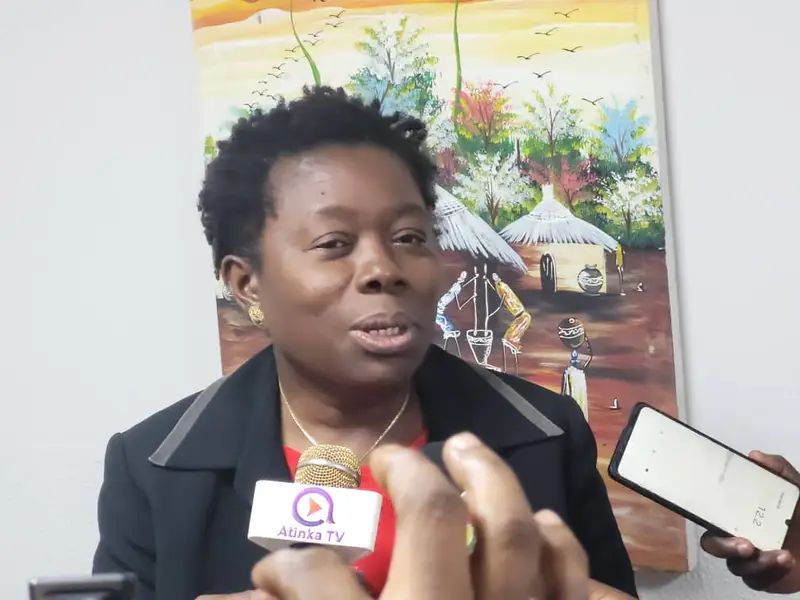
FIDA Ghana’s Executive Director, Susan Aryeetey, made the call during a media engagement following a seminar organised under a project supported by the **African Women’s Development Fund (AWDF)** to track government budget allocations for gender-related services.
According to Aryeetey, inadequate financing of the Domestic Violence Fund continues to limit survivors’ access to essential services, including medical care, legal assistance, psychosocial counselling, shelter and material support.
“Survivors need essential services, and if we do not have adequate funding to provide these services, it means they are being left out of the support system they desperately need,” she said.
Funding gaps threaten access to justice
Aryeetey said inadequate funding has consequences beyond the immediate welfare of survivors, warning that it could undermine confidence in Ghana’s justice system.
She explained that survivors often require medical reports, legal assistance and other forms of support to pursue cases, but many struggle to access these services because of financial constraints.
“When victims are unable to access the support they need, some may lose faith in legal processes and resort to taking matters into their own hands,” she cautioned.
FIDA Ghana’s budget tracking has previously found that the Domestic Violence Fund receives a disproportionately small share of the budget of the Ministry of Gender, Children and Social Protection.
In 2025, civil society organisations and the media called for a substantial increase in allocations to the fund, as well as dedicated funding for shelters and the timely release of approved resources. FIDA Ghana’s analysis found that the fund had received less than 0.01 per cent of the Gender Ministry’s budget since 2021.
The Domestic Violence Act, 2007 (Act 732), provides for the fund to support the material and psychological needs of survivors, including legal aid, rehabilitation, reintegration and the provision of shelters.
GBV carries wider economic costs
Beyond the physical and psychological harm suffered by survivors, Aryeetey said gender-based violence also imposes significant social and economic costs on Ghana.
She noted that untreated trauma, mental health challenges and the loss of productive human resources affect families, workplaces and the wider economy.
“We are not only losing money; we are also losing the health and productivity of our citizens. If these critical gaps are not addressed, the situation could become a powder keg,” she said.
FIDA Ghana has also raised concerns that inadequate access to medical care, legal assistance and other essential services can contribute to cases being abandoned or failing to progress through the justice system.
FIDA demands stronger government commitment
FIDA Ghana is therefore urging the government and Parliament to make increased funding for the Domestic Violence Fund a priority in the national budget.
The organisation wants increased resources to ensure that survivors can access timely and quality medical care, legal aid, psychosocial support, safe shelter and other essential services.
Aryeetey further stressed that allocating funds alone would not be sufficient, calling for approved resources to be released on time and reach the institutions responsible for supporting survivors.
“We need to make sure that money is not just allocated but released on time,” she has previously emphasised.
FIDA Ghana is also advocating stronger accountability in the management of the fund, including more effective tracking of allocations and expenditure.
The organisation’s latest advocacy forms part of broader efforts by civil society groups to promote gender-responsive budgeting and hold government accountable for adequately financing programmes designed to protect women and girls.
FIDA Ghana says sustained investment in survivor support is essential to strengthening Ghana’s response to gender-based violence, improving access to justice and ensuring that survivors are able to rebuild their lives with dignity and security.
Source: www.thenewindependentonline.com