Bibiani, Western North Region, Ghana — September 28, 2026
Ghana has begun rolling out a new digital system to improve how child labour cases are recorded, referred and managed, as the country steps up efforts to protect children from hazardous and exploitative work.
The Ghana Child Labour Monitoring System (GCLMS) will provide government agencies and other stakeholders with a common platform for managing cases, particularly in high-risk sectors including agriculture, artisanal and small-scale mining, domestic work and the informal economy.
The system is interoperable with other child protection platforms in Ghana, allowing relevant agencies to share information and coordinate responses more effectively.
The rollout forms part of efforts to strengthen Ghana’s national response to child labour.
From September 15 to 18, the International Labour Organization (ILO), through its ACCEL Africa Project, in partnership with the Child Labour Unit of the Ministry of Labour, Jobs and Employment, trained selected regional and district stakeholders from ACCEL Africa project areas on the new system.

The four-day training equipped officials involved in child labour detection, referral and case management with practical skills to use the platform.
Speaking during the training, Bismark Quartey, National Project Coordinator of the ILO’s ACCEL Africa Project in Ghana, stressed the importance of reliable information in tackling child labour.
“Reliable and timely data is fundamental to effective action against child labour. The new GCLMS provides stakeholders with a common mechanism to document cases, understand their characteristics and underlying causes, initiate appropriate interventions and follow up on children and families receiving support,” he said.
Developed with funding from the ILO through the ACCEL Africa Project and other development partners, in collaboration with the Government of Ghana through the Ministry of Labour, Jobs and Employment, the GCLMS provides a framework for collecting, managing, analysing and reporting information on child labour.
For district and regional officers, the platform is expected to improve case records and make it easier to track interventions from the point a child is identified through referral and follow-up.
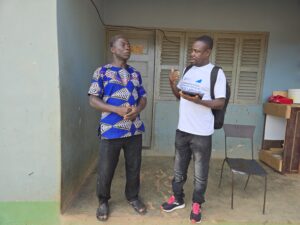
Participants also undertook practical exercises on registering cases, updating records, managing information, generating reports and tracking interventions.
Frederick Osei Agyemang, a participant from the Social Welfare Department in Bibiani, said the training had strengthened his capacity to manage cases.
“The training has strengthened my understanding of how to use the GCLMS to document cases from identification through referral and follow-up. It will help us at the district level to improve the quality of information we collect and ensure that identified cases receive appropriate support,” he said.
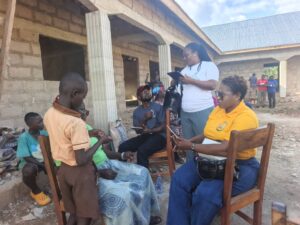
The system is expected to support faster information sharing and help officials make more evidence-based decisions on child protection interventions.
Its effectiveness, however, will depend on consistent use, accurate reporting and timely action by agencies responsible for responding to child labour cases.
The rollout marks another step in Ghana’s efforts to prevent and eliminate child labour and ensure that children are protected from work that threatens their safety, education, development and future.
Source: www.thenewindependentonline.com