

News Desk Report
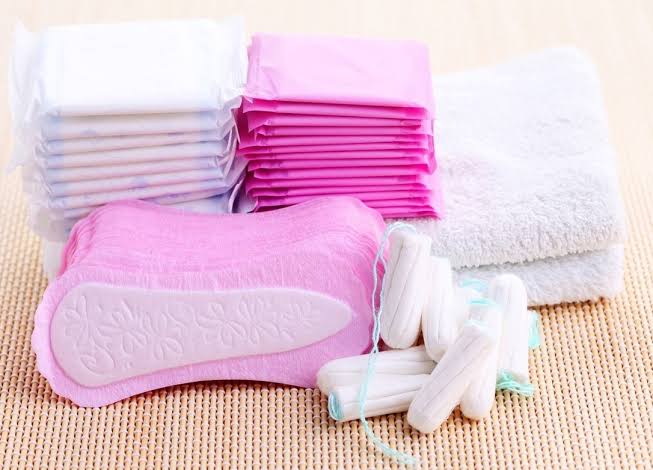
Accra, Ghana — Civil society organisations are calling on the government to expand its free sanitary pad programme to cover girls and young women outside the formal education system, as Ghana marks World Menstrual Hygiene Day 2026 and the third anniversary of the #DontTaxMyPad campaign.
The Ghana CSOs Platform on the Sustainable Development Goals, which led the advocacy campaign, says significant progress has been made since the initiative was launched on May 28, 2023.
According to the Platform, sustained advocacy efforts through petitions, stakeholder engagements, media campaigns, and parliamentary lobbying contributed to the removal of Value Added Tax (VAT) on locally produced sanitary pads and the waiver of import duties on raw materials used in pad production in 2024.
In a statement signed by Levlyn Konadu Levlyn, National Coordinator of the Ghana CSOs Platform on the Sustainable Development Goals, to mark Menstrual Hygiene Day 2026, the group noted that the government in 2025 allocated GH₵292.4 million to provide free sanitary pads to approximately two million schoolgirls nationwide — a commitment that has been retained in the 2026 national budget.
The Platform described the policy changes as major milestones in the fight against period poverty and menstrual inequality in Ghana.Three years ago, sanitary pads attracted a tax burden of about 32.5 percent, with the cost of a pack exceeding Ghana’s daily minimum wage of GH₵14.88.
Despite the gains, the CSOs say many vulnerable girls and young women remain excluded from the free sanitary pad programme.
According to the Platform, an estimated 1.8 million girls and young women in apprenticeships, Technical and Vocational Education and Training (TVET) programmes, informal employment, and those out of school are not covered under the current policy.
“A policy that leaves out the girl in a hairdressing apprenticeship in Kumasi, the young woman in a chop bar in Nkwanta, or the dropout in a rural community in Walewale is a policy that is not yet finished,” the Platform Coordinator stated.
The group is therefore urging the government to develop a comprehensive national menstrual health strategy that guarantees equitable access to menstrual hygiene products and services for all girls and women, regardless of educational background or geographical location.
As part of this year’s commemoration under the global theme “Together for a #PeriodFriendlyWorld,” the Platform outlined five key demands for government action.
These include extending the free sanitary pad programme to girls and young women outside formal schooling, consolidating menstrual health policies into a unified national strategy, strengthening market monitoring to ensure tax waivers lead to lower consumer prices, publishing transparent data on pad distribution and programme reach, and integrating menstrual health services into the Ghana Health Service Community Health Planning and Services (CHPS) programme.
The Platform emphasized that expanding access to menstrual hygiene support is essential to ensuring that no girl or young woman is left behind.
Source: www.thenewindependentonline.com